The Client
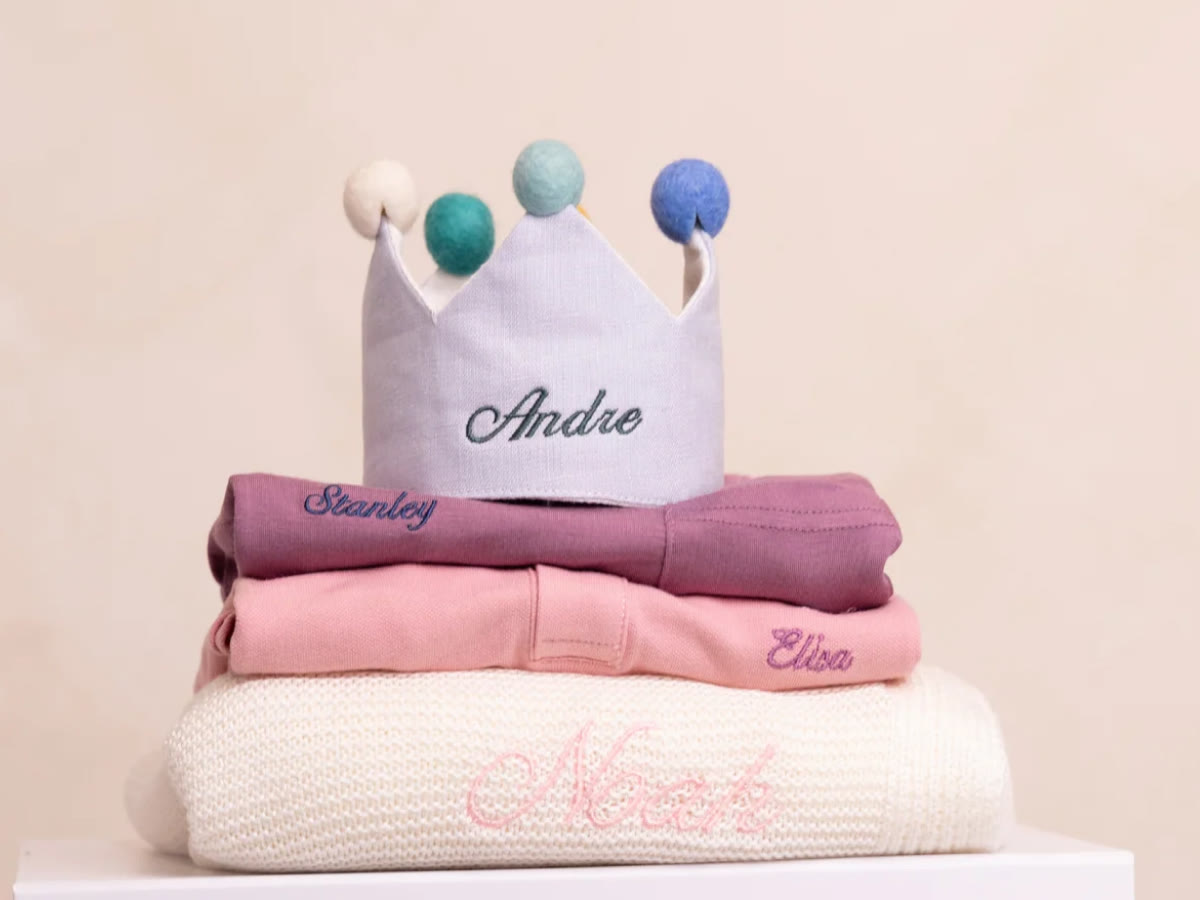
A premium baby and kids' clothing brand selling online, with a points-based loyalty program run on LoyaltyLion. Members earn points on every order and for actions like joining the email list or following on social media, swap points for vouchers, get a birthday gift, and move up three tiers based on what they spend in a year.
The Challenge
When we took over the account, the loyalty program was tracking far more than its emails were using. We inherited 5 loyalty flows, set up long before our time, and a single welcome email brought in nearly 80% of their revenue.
- Most of the program's moments were ready to use. LoyaltyLion sends 19 different events into Klaviyo, from points earned and rewards claimed to tier changes, referrals and members drifting away. 2 of them triggered an email, which left 17 moments to build on.
- Tier was the big opportunity. Every member received the same message whatever their tier, so a brand-new member and a top-tier customer read the same words. Emails for moving up a tier had been drafted, waiting to be switched on.
- The details members act on were already in the data. The birthday voucher, how close each member is to the next tier and each member's own referral link all reached Klaviyo, ready to go into an email.
- One trigger, two reminders. Two flows fired on the same "reward available" event, which made them easy to combine into one clearer email.
We also built every email from the live program setup, which had newer earn rates and rewards than the public rewards page, so every promise in the emails matches what members get.
The Solution
We rebuilt the loyalty emails around the moments the program was already tracking. Now, whenever a member earns, claims a reward, moves tier, refers a friend or starts to drift away, they hear about it in an email that shows their own numbers. Claude, connected to LoyaltyLion and Klaviyo, worked alongside us at every stage.
- Started from the live program. With Claude connected to LoyaltyLion, we pulled the program's live setup (earning rules, rewards, tiers, points expiry and referral terms) and wrote every email to match it.
- Read the real event data before writing a word. We used Claude to inspect the loyalty events arriving in Klaviyo and found the details to put in every email: the exact amount a member still needs to spend to reach the next tier, the voucher code and its value, and whether a voucher came from points or from the birthday gift.
Built 19 flows in four lanes. 15 of the 19 loyalty events now trigger an email.
- Join & Earn: a welcome that explains how the program works, a short note when a member earns their first points or earns for signing up or following on social media, and a birthday email that carries the actual birthday voucher.
- Status & Tiers: "you're close" emails showing the exact spend to the next tier, a welcome to each new tier, and a reassuring note when a member's tier changes.
- Rewards: a reward-available email, a reward-claimed email with the code ready to paste at checkout, and a points-expiring email with the date and what the points are worth.
- Referrals & Win-back: a referral invite three weeks after a first order, a thank-you when a referral completes, an at-risk nudge, a two-step win-back that stops as soon as the member orders, and a thank-you for the most loyal members.
- Made every email personal. Every email greets the member by name, and most show their tier and points balance. A reward ladder marks each reward as ready to use, ready soon, or how many points to go, and shows the higher-value rewards only to the tiers that can claim them. Most emails end with personal product recommendations.
- Rewards instead of discounts for members. Alongside the flows, members' big sales moments are double-points events rather than discount codes, about once a month, with non-members shown how to join. Every month, members with enough points for a reward also get a "your points are waiting" reminder.
- Reminders on the website too. Three Klaviyo slide-ins, each shown only to the members it applies to: "your reward is ready" for members with enough points for a reward, "you're close to the top tier" for members nearly there, and a refer-a-friend prompt for past customers. Each links to the rewards page and stays off the cart and checkout.
- Designed first, then built and checked in code. All 18 launch emails were designed in Figma, each with its own brief panel, then built in Klaviyo through the API with Claude. Every template was render-tested with sample member data before any flow existed, and a script compared each Figma design with its Klaviyo template: 17 of 18 matched on the first pass.
- Switched over in one move. Every flow was built in full and held on manual. The 18 launch flows went live together as the old flows were switched off, so each member got just the new emails, and a points-expiry reminder followed a month later.
- Used Claude as builder and analyst throughout. With Claude connected to LoyaltyLion and Klaviyo, we read the live program setup, mapped every loyalty event to an email, wrote the personalization logic for tiers, points and vouchers, built and render-tested the templates, audited them against the designs, built the flows, and measured the results week by week before and after launch.
The Results
Revenue
- Weekly loyalty email revenue grew 4.9×. In the 7 full weeks after launch, the loyalty flows averaged 4.9× what the old flows made in an average week over the 16 weeks before. Every one of those weeks beat the old weekly average, and 5 of the 7 beat the old flows' best week.
- Loyalty email orders grew 5.4× a week, and every email worked harder. Revenue per recipient doubled and orders per recipient rose 2.2×.
- 78% of the new revenue came from moments that now have their own email: claiming a reward, earning points for joining the email list or for a first order, nearing or reaching a higher tier, and joining the program's most loyal group.
- Loyalty emails went from 9% to 30% of all flow revenue, while the other flows grew about 17% a week and the store about 12% over the same period.
Loyalty email revenue each week, as a multiple of the old flows' weekly average
Klaviyo-attributed loyalty email revenue per week. Every week since launch sits above the old average.
Where the new loyalty email revenue comes from
Share of loyalty email revenue in the 7 full weeks after launch.
Program coverage
- 15 of 19 loyalty events now trigger an email, up from 2.
- 19 loyalty flows, up from 5, and every email now greets the member by name, with most showing their tier, points and the rewards within reach.
- Members stayed engaged. The loyalty flows sent 2.5× as many emails a week, yet open rates held at about 55%, and the unsubscribe rate stayed under 0.1%.
On-site slide-ins
- Members redeemed 2.2× as many rewards a week in the 4 weeks after the reward-ready slide-in went live than in the 10 weeks before, and still 1.7× in the quietest of those weeks.
- Nearly 1 in 4 members who clicked the reward-ready slide-in placed an order within a week.
Rewards campaigns
- Points reminders earned 2.4× the revenue per recipient of an average campaign sent in the same weeks, and double-points emails 1.4×, across every such send from late August to October.
Key Takeaway
A loyalty program pays when members hear about it at the moments that matter. This one was already tracking every point earned, reward claimed and tier change; the rebuild gave each of those moments its own email, and 78% of the new revenue came from moments that now have their own email. Some members who claim a reward were always going to buy, and that email sits closest to the order. Even leaving it out, weekly loyalty email revenue grew 3.3×. We measured the lift on weekly averages before and after launch with Klaviyo's attribution, against other flows that grew about 17% and a store that grew about 12% over the same period.
The next step builds on the same data: VIP flows for the brand's highest-value customers, now live, and campaigns that put every member's referral link to work.
Kinga Dow specializes in building retention marketing with Claude: knowing how to lead it, what to ask of it, and how to turn new AI capabilities into exceptional results for e-commerce brands.